
Trading in 2026 is not what it used to be. Over the years, I’ve seen the markets evolve—from manual chart analysis to AI-driven trading systems. If you’re planning to start trading now, you’re entering a world filled with opportunity, but also one that punishes unprepared beginners.
In this guide, I’ll walk you through how to start trading in 2026, based on real experience—not just theory. Whether you want to trade forex, stocks, or crypto, this guide will help you avoid costly mistakes and build a solid foundation.
Why 2026 Is the Best Time to Start Trading
The trading landscape has changed dramatically:
- AI tools now assist in analysis
- Lower fees and faster execution
- Global access to multiple markets
- Beginner-friendly platforms
But here’s the truth:
👉 More tools don’t mean easier profits.
In fact, most beginners still lose money because they skip the basics.
Now I am going to tell you How to start Trading in 2026 in some steps:
1. Understand What Trading Really Is
4. Choose the Right Trading Platform
10. Use AI Tools (Smartly) in 2026
These are the main steps, you must have to follow while you start your Trading journey from Beginner to Pro level.
Let’s Start!
Step 1: Understand What Trading Really Is
Trading is not gambling. It’s the process of buying and selling financial assets to make profits based on price movements.
There are different types of trading:
- Day Trading – Open and close trades within a day
- Swing Trading – Hold trades for days or weeks
- Scalping – Quick trades for small profits
- Position Trading – Long-term trades
💡 From my experience: Beginners should start with swing trading. It gives you time to think and reduces emotional decisions.
Step 2: Choose Your Market Wisely
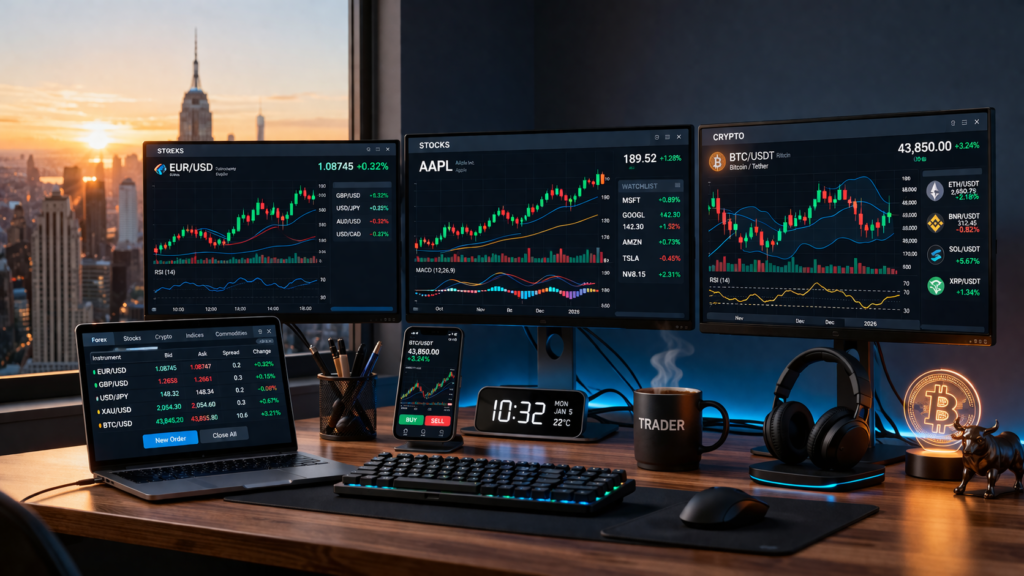
Before you start trading in 2026, you need to decide what to trade.
- Forex Trading
- Most liquid market
- Open 24/5
- Good for beginners
- Stock Market
- Ideal for long-term growth
- Requires understanding of companies
- Cryptocurrency
- High volatility = high risk
- 24/7 trading
💡 My advice:
Start with forex or stocks, then move to crypto once you gain experience.
Step 3: Learn the Basics
This is where most people fail.
You must understand:
- Candlestick patterns
- Support & resistance
- Trend analysis
- Risk management
- Technical indicators
💡 Reality check:
I spent months just learning charts before placing my first real trade. That patience saved me thousands.
Step 4: Choose the Right Trading Platform
In 2026, trading platforms are more advanced than ever.
Look for:
- Low spreads/fees
- Fast execution
- User-friendly interface
- Regulation & security
Popular features to check:
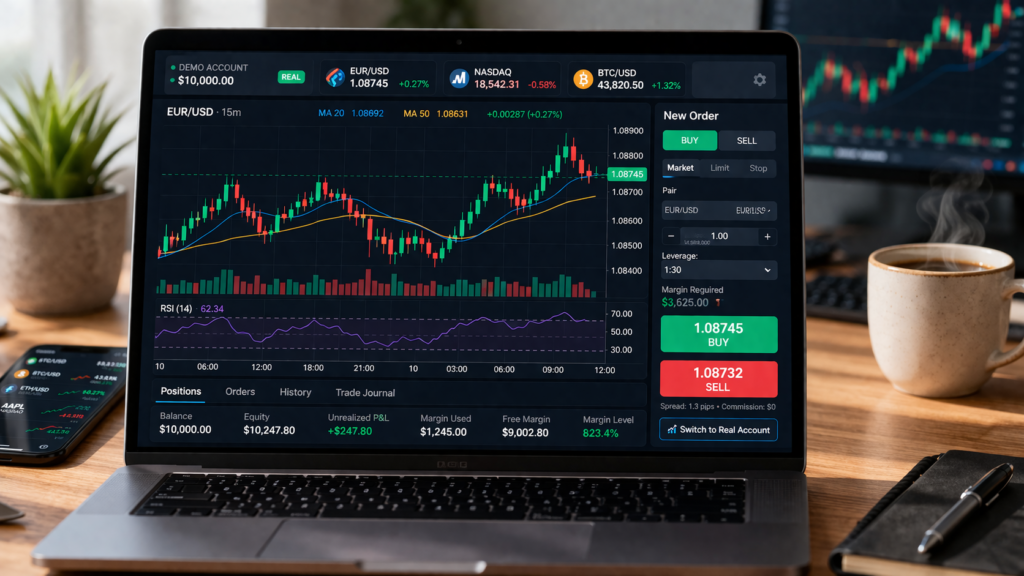
- Demo account
- Mobile trading
- AI insights
💡 Pro Tip:
Always test a platform using a demo account first.
Best Trading Platforms for Beginners in 2026
Based on current trends and real-world usage, here are some beginner-friendly platforms:
- MetaTrader 4 (MT4)
- Best for forex trading
- Simple and reliable
- Widely used globally
👉 You can try this from here MetaTrader4
- MetaTrader 5 (MT5)
- More advanced than MT4
- Includes economic calendar
- Supports more asset classes
👉 You can try this from here MetaTrader5
- Capital.com
- AI-powered insights
- Beginner-friendly interface
- Low minimum deposit
👉 Try this from here Capital.com
- eToro
- Social trading feature
- Copy successful traders
- Great for beginners
👉 Try this platform from here eToro
- Exness
- Beginner friendly interface
- Low minimum deposit
- Easy for beginners to use
👉 You can try this from here Exness
Step 5: Start With a Demo Account
Before risking real money:
- Practice trading strategies
- Learn how markets move
- Test your discipline
👉 Treat demo trading seriously.
If you can’t be profitable in demo, you won’t be profitable in real trading.
Step 6: Develop a Trading Strategy
A strategy is your roadmap.
Without it, you’re just guessing.
A simple beginner strategy includes:
- Entry rules
- Exit rules
- Stop-loss placement
- Risk per trade (1–2%)
💡 My personal rule:
Never risk more than 2% of your capital on a single trade.
Step 7: Master Risk Management
This is what separates winners from losers.
Key rules:
- Always use a stop-loss
- Never overtrade
- Avoid revenge trading
- Protect your capital first
👉 Remember:
Survival in trading is more important than profit.
Step 8: Start With Small Capital
You don’t need thousands to start trading in 2026.
Start small:
- $50 – $200 is enough
- Focus on learning, not earning
💡 Truth from experience:
Most traders blow accounts because they start big and lose control emotionally.
Step 9: Control Your Emotions
Trading is 80% psychology.
You must control:
- Fear
- Greed
- Overconfidence
- Impatience
👉 Even after years of trading, emotions still exist—but discipline controls them.
Step 10: Use AI Tools (Smartly) in 2026
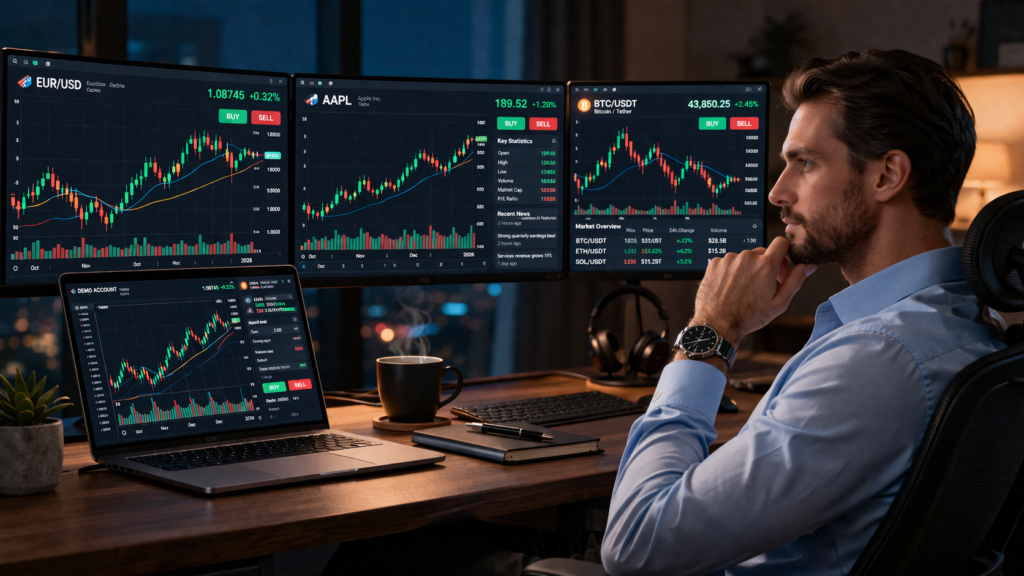
AI is changing trading—but it’s not magic.
Use AI for:
- Market analysis
- Trend predictions
- Trade ideas
⚠️ But don’t depend completely on it.
💡 My rule:
AI assists, but you make the final decision.
Common Mistakes Beginners Make
Avoid these at all costs:
- Skipping education
- Overtrading
- Using high leverage
- Following random signals
- Expecting quick profits
👉 I’ve made these mistakes myself early on—and they cost me heavily.
How Much Can You Earn From Trading?
Let’s be realistic.
- Beginners: Often lose money initially
- Intermediate: 5–10% monthly possible
- Advanced: Consistent profits with discipline
👉 Trading is not a “get rich quick” scheme.
It’s a skill that takes time to master.
Best Tips From My Trading Experience
After years in the market, here’s what truly works:
✔ Focus on consistency, not big wins
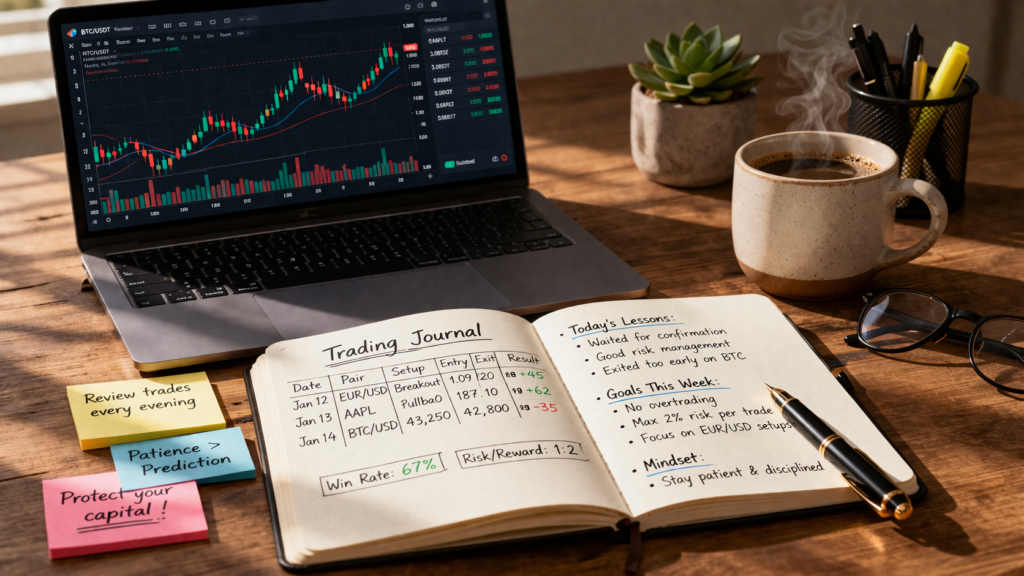
✔ Keep a trading journal
✔ Learn from every loss
✔ Stick to one strategy
✔ Never stop learning
Conclusion: Start Smart, Not Fast
If you’re serious about learning how to start trading in 2026, focus on building skills—not chasing profits.
Trading rewards patience, discipline, and consistency.
👉 Start small
👉 Learn daily
👉 Improve gradually
And remember:
The goal is not to win every trade—the goal is to stay in the game long enough to become profitable.
FAQs – How to Start Trading in 2026
- Is trading profitable in 2026?
Yes, but only if you learn proper strategies and risk management. Most beginners lose due to lack of knowledge.
- How much money do I need to start trading?
You can start with as little as $50–$200, but focus on learning first.
- Which trading is best for beginners?
Forex and stocks are best for beginners due to lower complexity compared to crypto.
- Can I trade using my phone?
Yes, most platforms offer mobile trading apps, but serious analysis is better on desktop.
- How long does it take to become profitable?
It usually takes 6 months to 2 years depending on your learning and discipline.
- Is AI trading safe in 2026?
AI can help, but you should not rely on it completely. Always make your own decisions.
If you are interested to earn money online then you can explore our Related Blog Post:
This blog post will help you to increase online money making strategy 🤑